
You care about your home’s roof because small issues can turn into costly repairs fast. Knowing which minor problems to spot and how to compare repair options lets you protect your budget and avoid messy surprises.
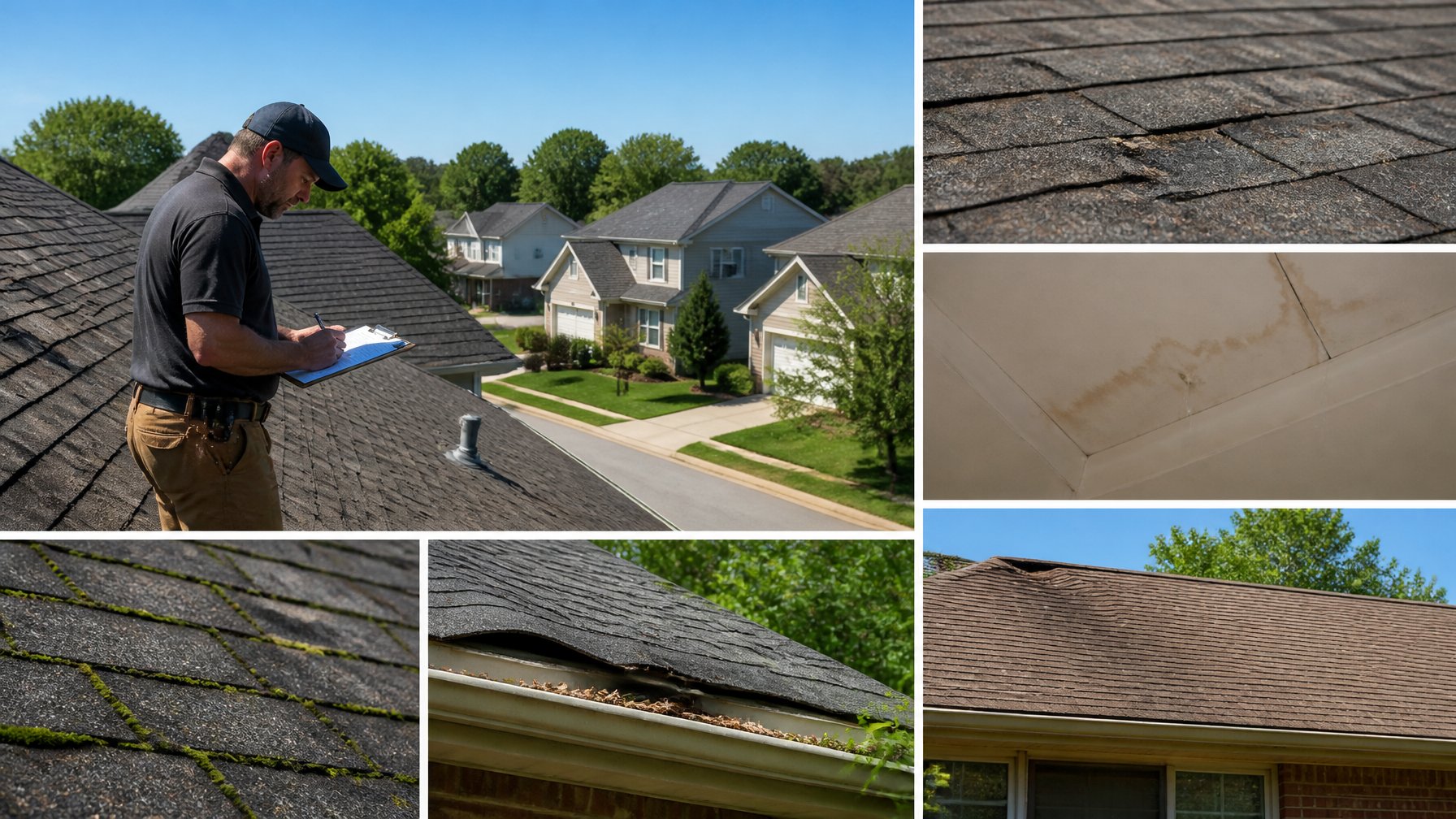
This article helps you weigh common choices for Clarksville homeowners, so you can ask the right questions, compare costs and warranties, and decide when a quick fix or a full replacement makes sense. It keeps the focus practical and local without pushing any single solution.
1) Missing or damaged shingles
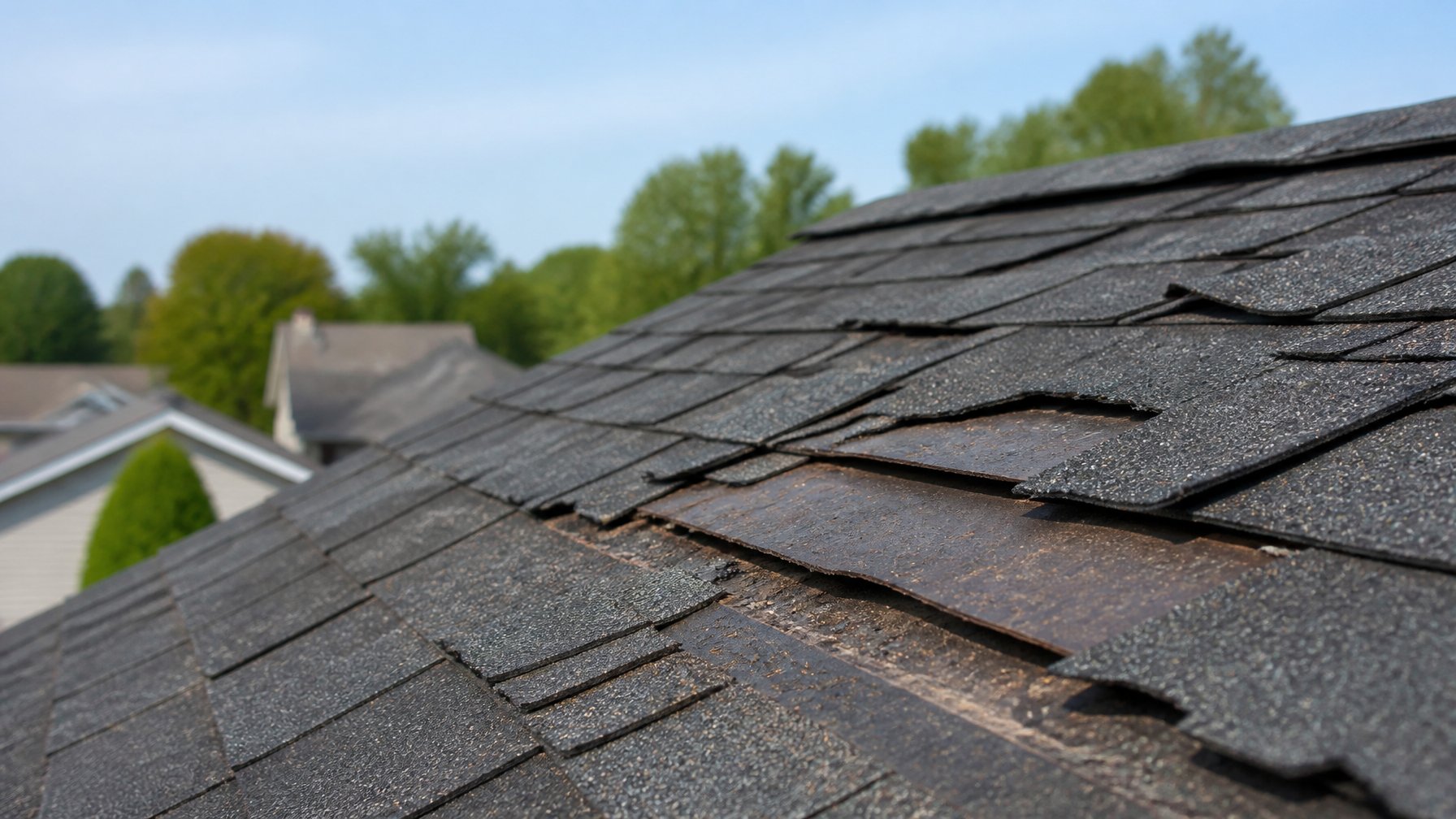
Missing or broken shingles let water reach the roof deck fast. Homeowners should compare the age and style of replacement shingles to the existing ones, and ask whether a full reroof is smarter than piecemeal fixes.
They should check for granule loss, curling edges, or cracked tabs. Ask a roofer how many shingles around the spot to replace and what warranty covers wind or hail damage.
Replacing a few shingles saves money now but may hide older underlayment issues. For local roofing services and guidance, visit the homepage to find vetted options and learn about common material tradeoffs.
2) Clogged gutters causing water backflow
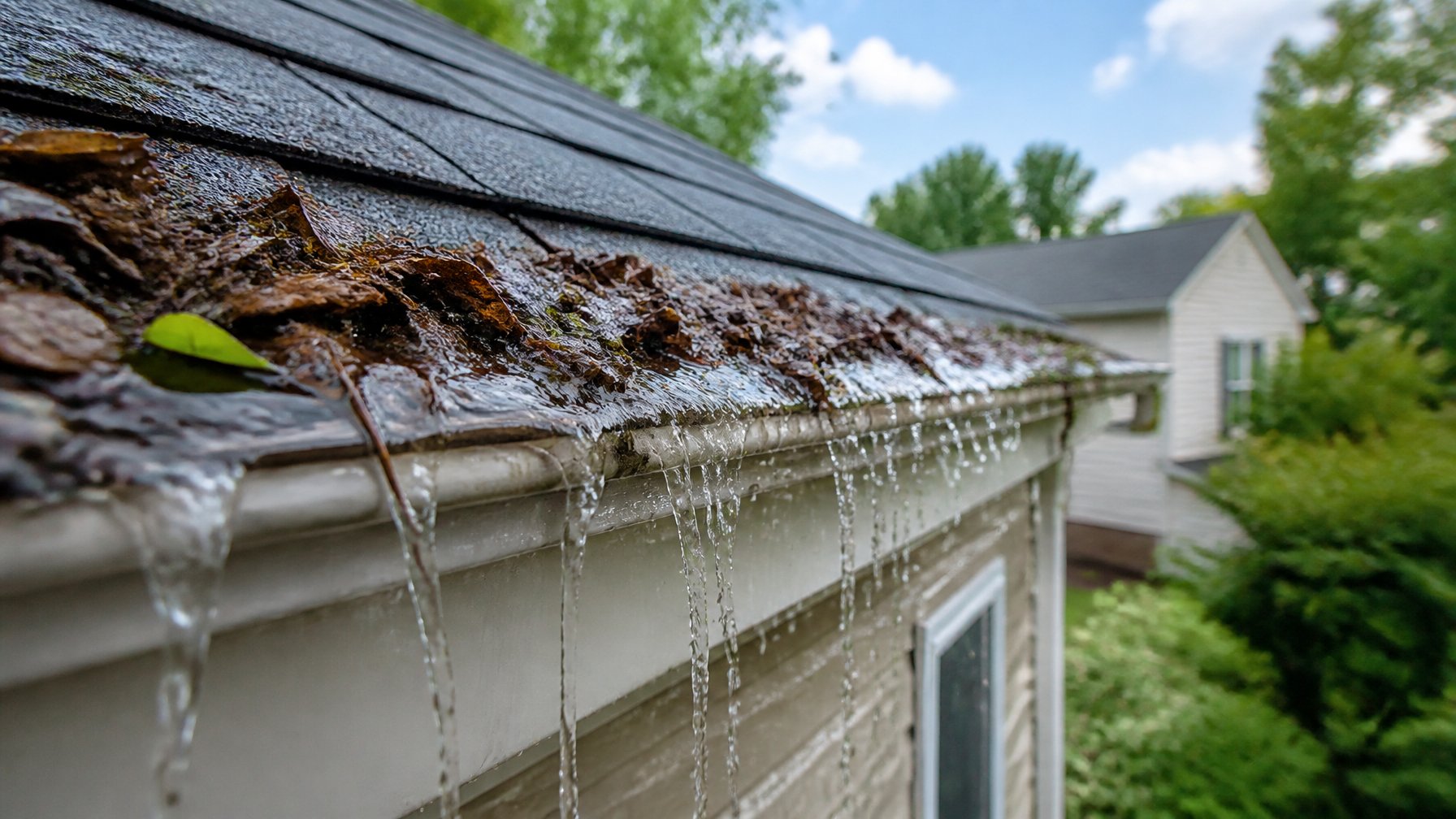
Clogged gutters let water sit and flow back under shingles, which can rot fascia, sheathing, and attic insulation. Homeowners should compare gutter guard types, ask about debris clearance schedules, and weigh cost versus maintenance time.
They should inspect downspouts for blockages and check that extensions direct water at least 4–6 feet from the foundation. Ask a pro whether adding splash blocks or a buried drain is worth the extra cost for sloped yards.
Consider gutter material and pitch when choosing repairs or replacements. Compare aluminum vs. steel for durability, and ask about seamless gutters to reduce leaks. For more help, visit the roofing services page.
3) Flashing gaps around chimneys
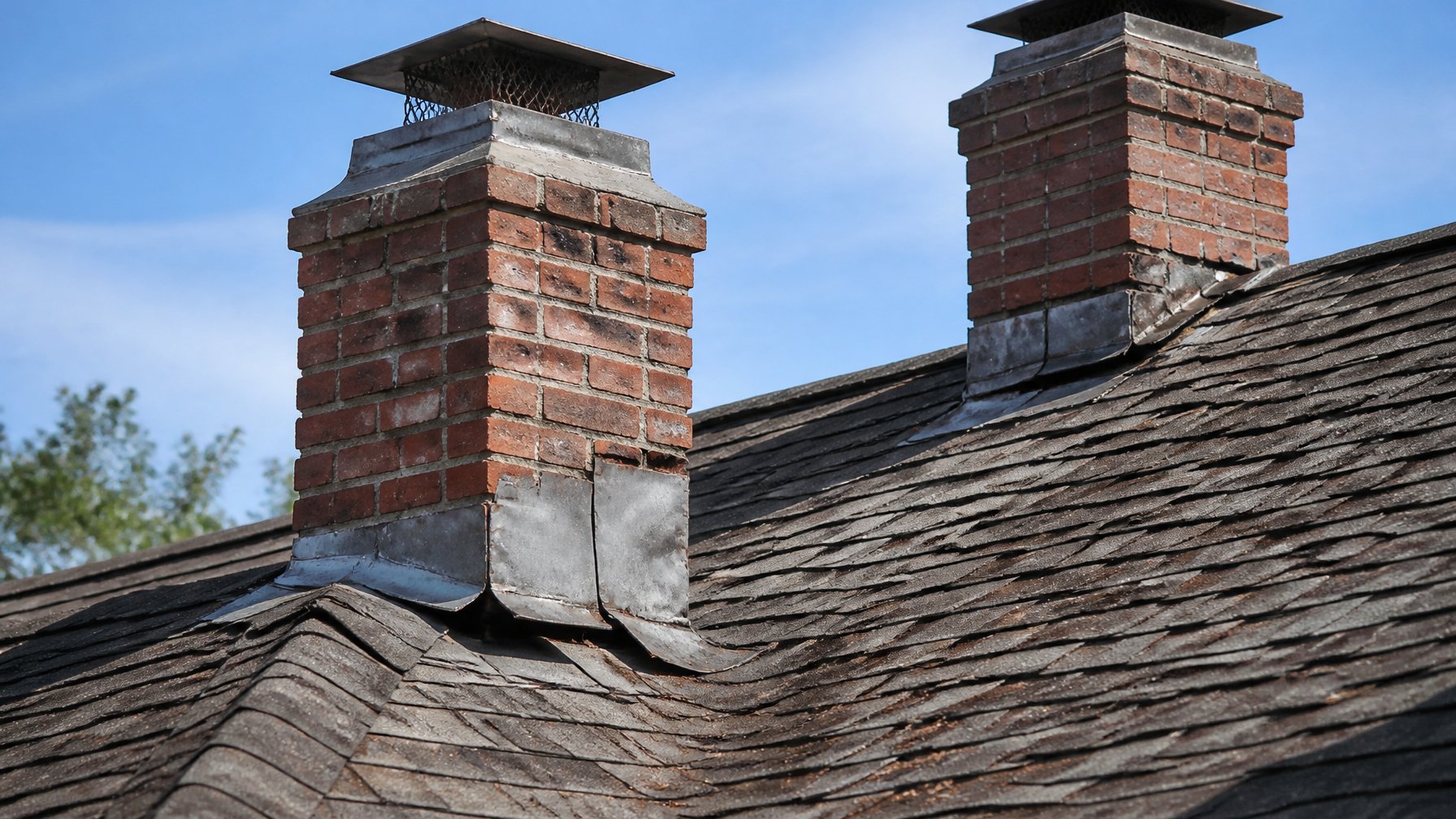
Gaps in chimney flashing let water sneak under shingles and into attic spaces. Homeowners should compare flashing types — step, counter, and metal vs. rubber — and ask which lasts longest for their roof pitch and chimney size.
They should check for cracked mortar, separated metal, and rust stains near the chimney. Ask a roofer whether they will remove old flashing, seal with high-temp caulk, or install new step flashing; the tradeoff is cost now versus more leaks later.
They should also inspect the chimney crown and ask if crown repair or a cricket is needed to divert water. For more general roof help, compare services and pricing on the homepage before hiring a contractor.
4) Granule loss on asphalt shingles
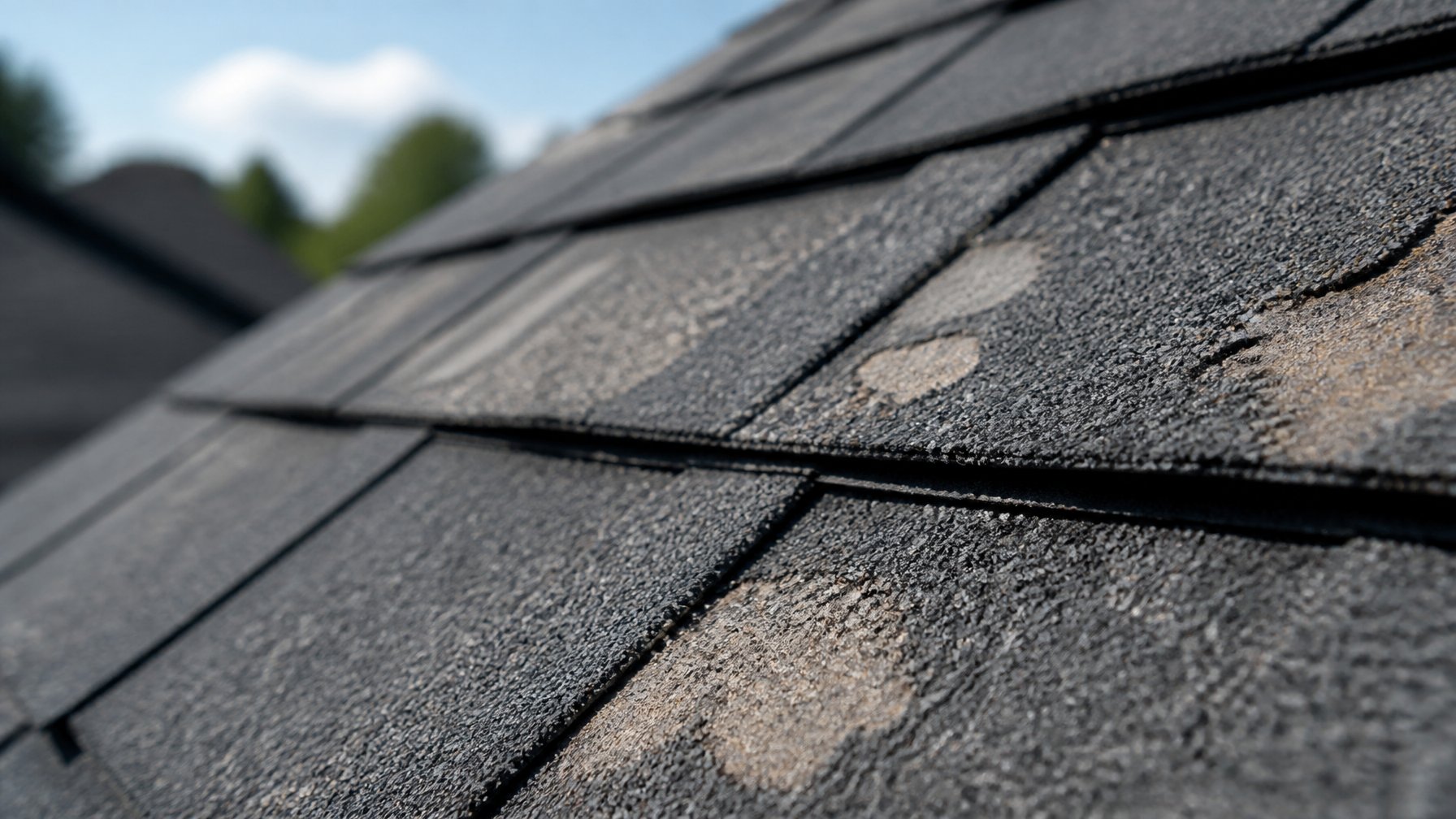
Granules protect shingles from UV rays and wear. If granules pile in gutters or bare spots show on the roof, homeowners should compare shingle age and recent storm exposure to decide whether to repair or replace.
Ask a roofer to show remaining granule coverage and to compare shingle type and warranty. The tradeoff is patching small areas now versus replacing a roof sooner; patching saves money short-term but may not stop leaks later.
They should also check attic daylight and signs of granule shedding inside gutters. For more on qualified roof work and options, see roofing services.
5) Small roof leaks at pipe penetrations
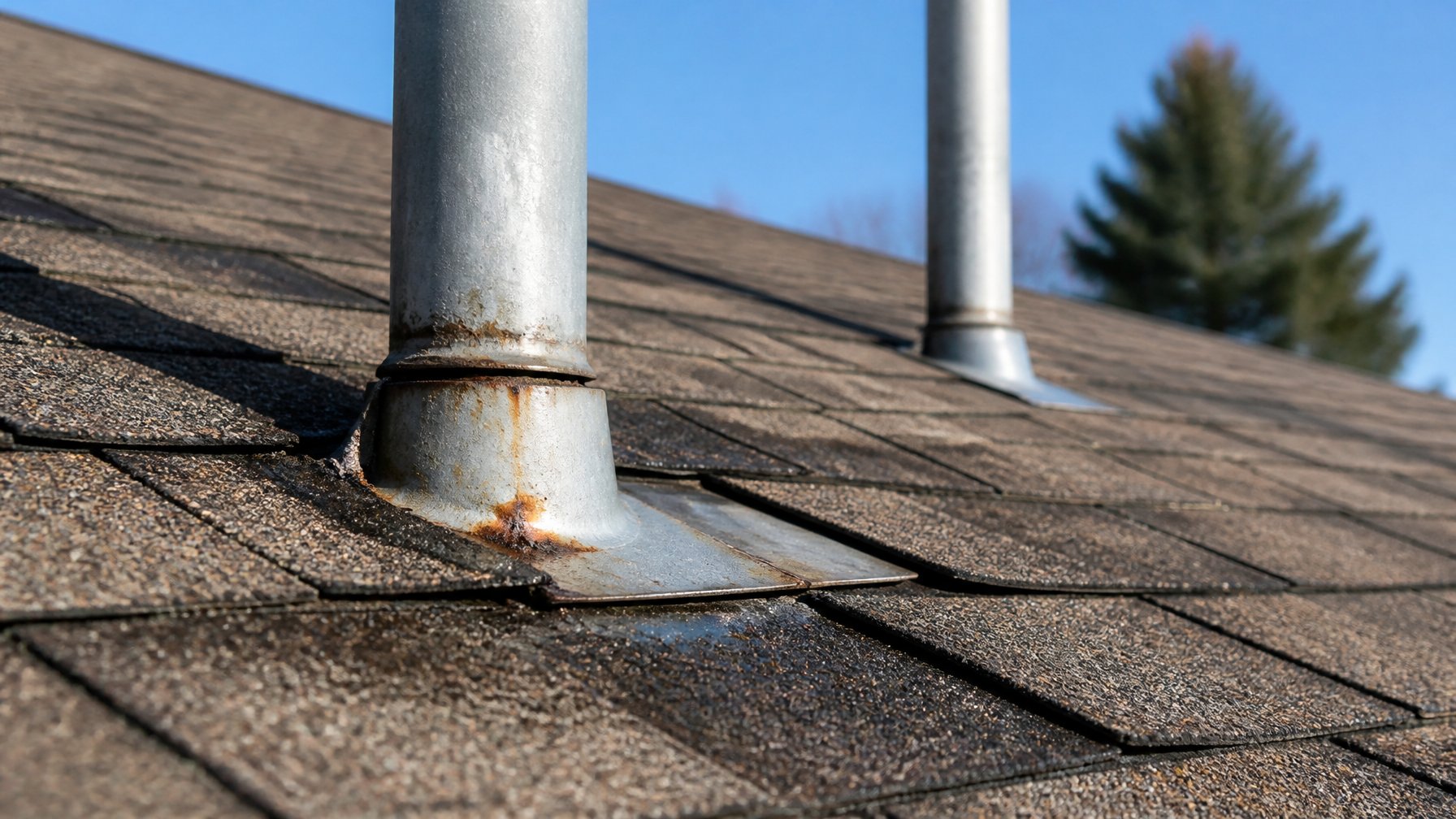
Pipe boots and vents can crack or pull away over time, letting water slip under shingles. Homeowners should inspect around each pipe for cracked rubber, rusted metal collars, or gaps in the flashing.
They should compare boot materials and ask a roofer whether to replace just the boot or reflash the whole area. The tradeoff: quick boot replacement costs less now but full reflash lasts longer and seals nearby seams.
When hiring help, ask for a clear explanation of the repair steps and a warranty period. For guidance on finding a roofer or related services, see the homepage.
6) Improper attic ventilation leading to moisture
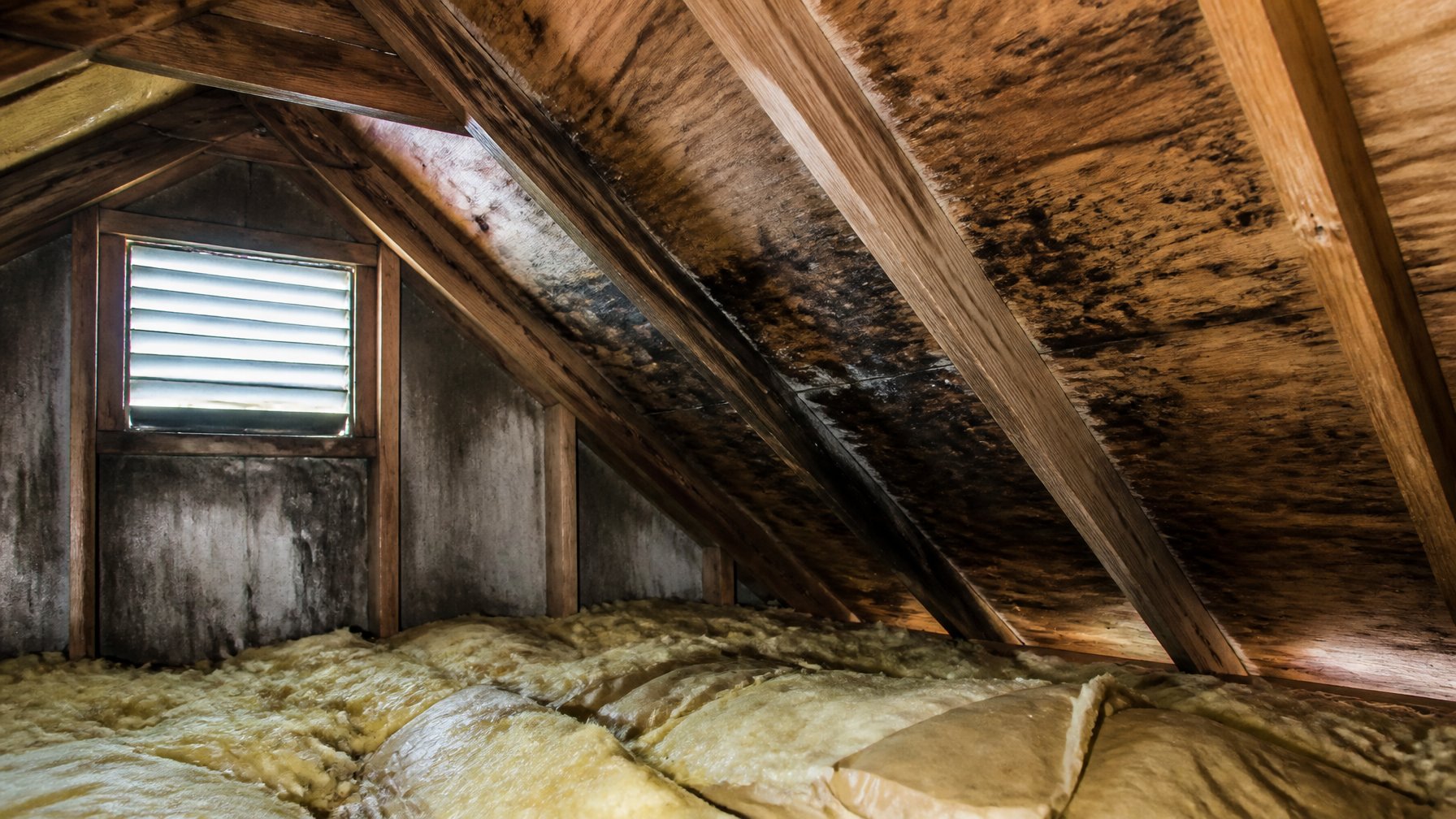
Improper attic ventilation traps warm, moist air and causes condensation on rafters and insulation. This moisture can rot wood, reduce insulation effectiveness, and grow mold.
Homeowners should compare intake vents vs. exhaust vents and ask if soffit and ridge vents are balanced. Ask a roofer how many square inches of venting per attic area they will install, and weigh adding powered vents against passive systems.
They should check insulation thickness and airflow paths. If insulation blocks soffit vents, ask about baffles that keep air moving without losing R-value.
Read the homepage for more roof care tips and local services. An inspection costs vary; compare written estimates, ventilation type, warranty, and energy savings before choosing work.
7) Nail pops and loose fasteners
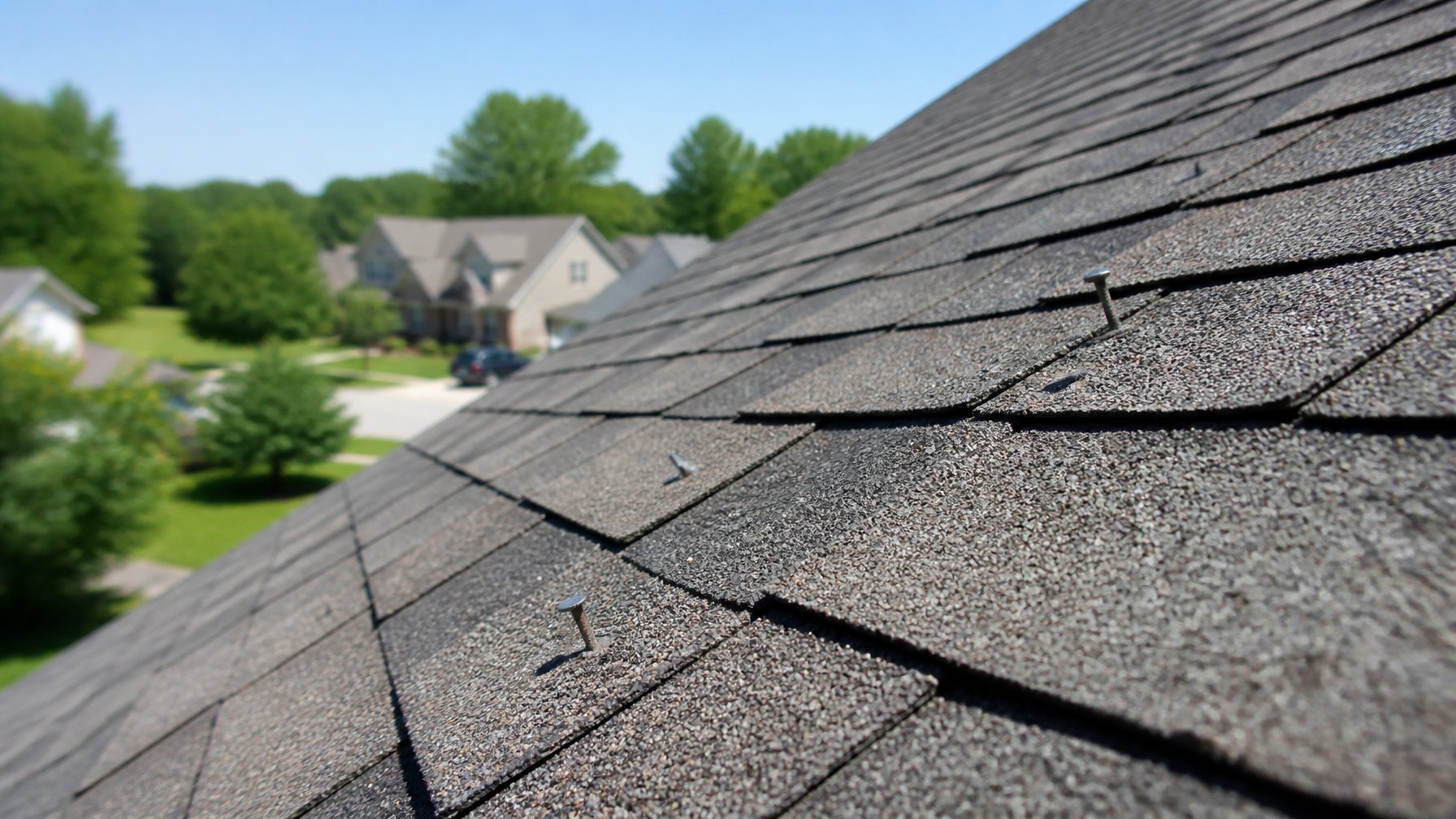
Nail pops and loose fasteners let shingles lift and gaps form. Homeowners should compare fastener type and spacing when inspecting; ask whether nails or screws were used and if re-fastening will match wind and snow loads.
They should weigh repair vs. replacement. Re-setting or replacing fasteners is cheaper but may hide aging sheathing or rot; choose a contractor who will peel back a few shingles to check the deck.
Check for torn shingle tabs and rusted heads as signs of corrosion or movement. Ask about using stainless or ring-shank nails and what warranties those fasteners carry.
For help scheduling an inspection or repairs, see the roofing services page. All photos should show common home roof details like close-ups of nails, elevated shingles, and a roofer re-seating fasteners.
8) Sagging roof deck near eaves
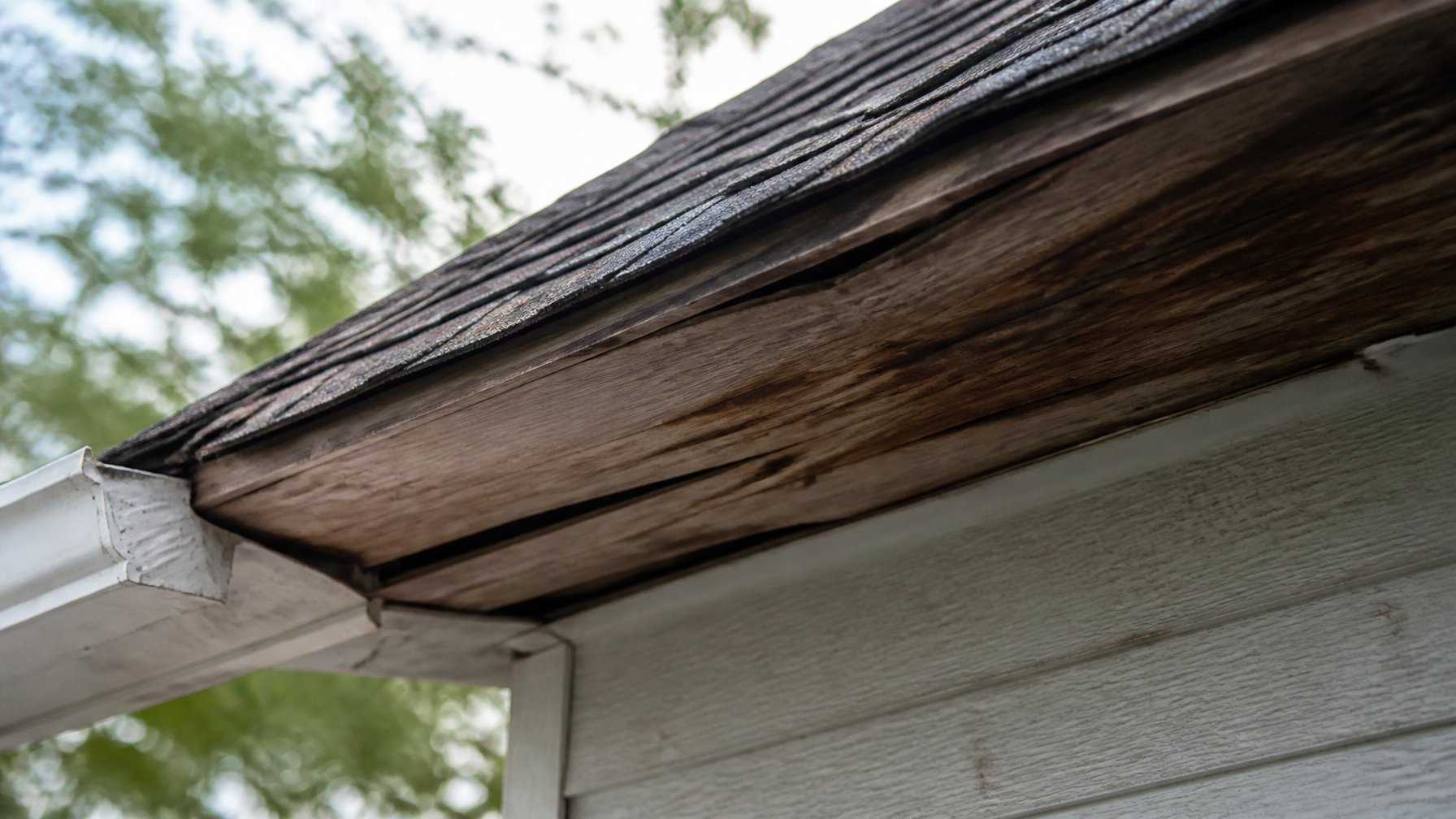
A sagging roof deck near the eaves often shows as a soft spot, visible dip, or shingles that cup. Homeowners should compare the span and condition of the rafters and look for wet or rotted sheathing when they inspect from the attic.
Ask a roofer whether the issue comes from water damage, poor ventilation, or undersized framing. A common tradeoff is repair versus partial replacement: sistering rafters or replacing sheathing costs less now but full deck replacement gives longer life.
They should check for hairline cracks in fascia, loose gutters, or recent ice dams that point to chronic leaks. For reliable information and services, visit the homepage.
9) Loose or cracked ridge cap shingles
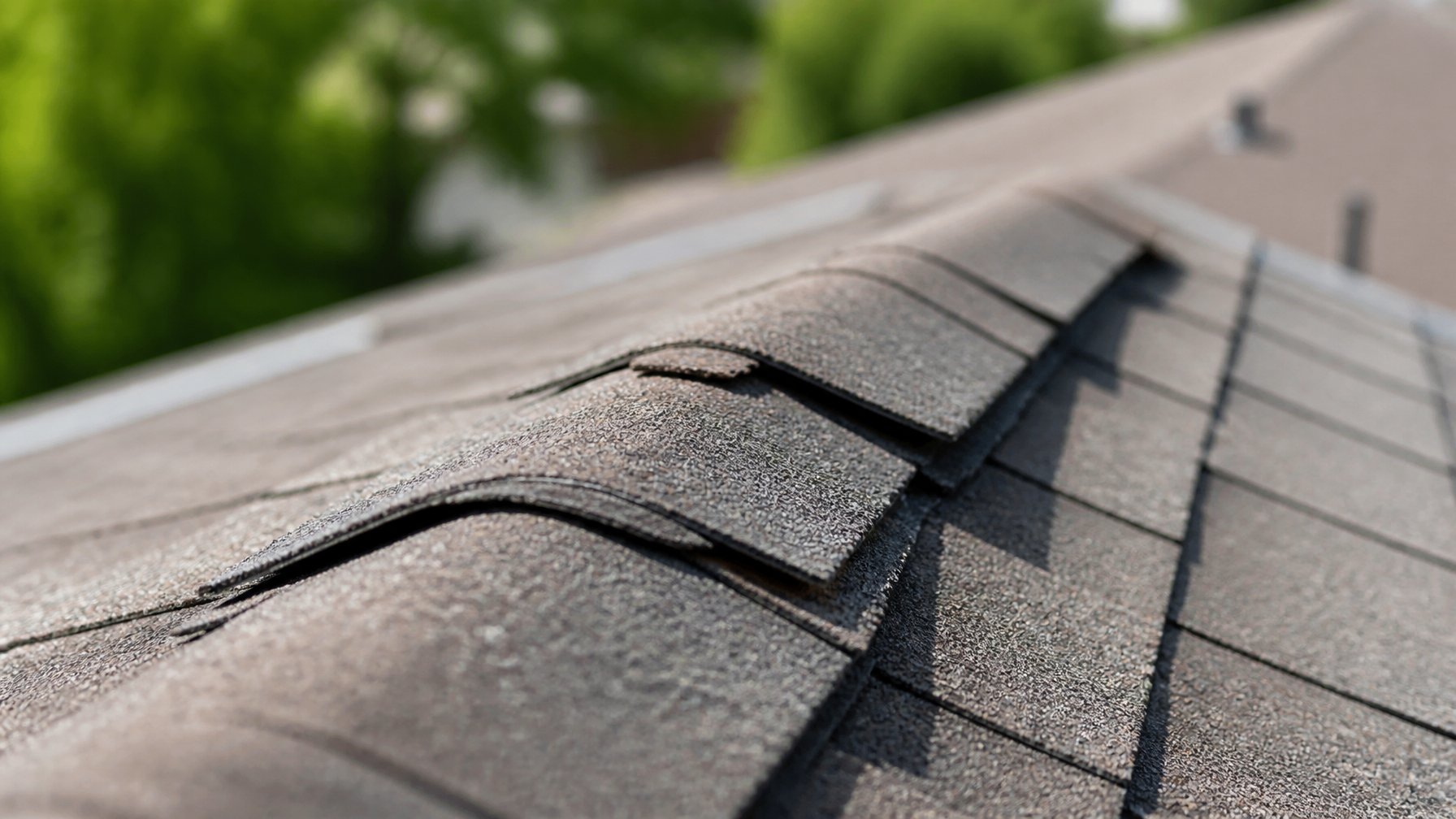
Loose or cracked ridge cap shingles let wind and water reach the roof peak. Homeowners should compare the age and material of the caps to the rest of the roof and ask if replacement matches ridge vents or needs vent upgrades.
They should check for broken tabs, exposed nail heads, or gaps. Ask a roofer whether to repair a few caps or replace the whole ridge; repairing is cheaper now but replacement lasts longer and reduces future leaks.
Balance cost against roof life. If the roof is older or shingles are brittle, replacing the ridge caps with matching materials is often the smarter choice.
See roof repair for more information on inspection steps and common fixes.
10) Ice dam formation in winter-prone spots
Ice dams form when heat from the attic melts snow on the roof, then meltwater refreezes at the eaves. Homeowners should compare attic insulation levels and ventilation types to reduce heat loss that causes melting.
They should ask contractors about attic insulation R-value, ridge and soffit venting, and whether adding a roof ice-and-water shield is cost-effective. The tradeoff is between improving insulation/ventilation (higher upfront cost, long-term prevention) and installing membrane barriers (lower attic work, added material cost).
They should check roof slope, gutter condition, and nearby tree cover. If repair is needed, suggest reading the company homepage for more details on winter roof services.